Author Archives: coffee

How to Cook Rutabaga

By pin add – Swede (The Vegetable), CC BY 2.0, commons.wikimedia.org

Last summer, the Parkdale Community Food Bank received an abundance of barley and rutabaga donations week by week, prompting discussions among the team about the various culinary uses for these ingredients. Finally, this dialogue ignited a creative concept: compiling a cookbook showcasing family recipes from community members.

For those unfamiliar with rutabaga, rutabaga, known scientifically as Brassica napobrassica, is a root vegetable that arises from a cross between cabbage and turnip. It is also known in some regions as swede, Swedish turnip, or neep. The vegetable has a rich history of cultivation and consumption, particularly in Europe and North America. Still, its popularity can be considered moderate compared to other root vegetables like potatoes, carrots, and beets.

Rutabaga has a sweet, slightly bitter taste and a firm texture, making it versatile for various culinary uses. It can be roasted, boiled, mashed, added to soups and stews, or eaten raw. Despite its versatility and nutritional benefits, including being a good vitamin C, fibre, and potassium source, rutabaga enjoys a different level of ubiquity and recognition than some other vegetables. This discrepancy in popularity can be attributed to several factors.

Firstly, the taste and texture of rutabaga may not appeal to everyone, which can limit its use in everyday cooking. Its slightly bitter flavour and the need for peeling and preparation might deter some people from including it in their diets. Additionally, rutabaga’s seasonality — a fall and winter vegetable—may also affect its availability and consumption patterns, as it is most commonly found and consumed during the colder months.

Regarding cultural and regional preferences, rutabaga holds a more significant place in the culinary traditions of certain countries. For example, in Sweden and Finland, rutabaga is used in traditional dishes and is more widely consumed. It is also a staple in some parts of the UK, particularly Scotland, where it is traditionally served with haggis and mashed potatoes as part of the Burns Night supper. Rutabaga is a common addition to holiday meals in Canada and the northern United States, especially Thanksgiving and Christmas dinners.

However, rutabaga’s presence in the culinary landscape outside these regions is more muted. Its popularity is growing in some health-conscious and vegetarian circles, where it is appreciated for its nutritional content and as a lower-carbohydrate alternative to potatoes. Moreover, with the increasing interest in root vegetables and traditional, hearty ingredients in contemporary cooking, rutabaga is finding its way into more kitchens and onto more plates than before.

Here is a simple yet flavorful recipe that showcases rutabaga: Roasted Rutabaga with Rosemary and Garlic. This dish highlights the natural sweetness of rutabaga, enhanced with rosemary and garlic aromatic flavours, making it a perfect side dish for a wide range of main courses. Here’s how to prepare it:

Ingredients:

2 medium rutabagas, peeled and cut into 1-inch cubes
2-3 tablespoons olive oil
3-4 cloves garlic, minced
2 teaspoons fresh rosemary, chopped
Salt and pepper to taste

Instructions:

Begin by preheating your oven to 400°F (200°C). While heating the oven, peel the rutabagas and cut them into approximately 1-inch cubes. This size ensures that the rutabaga cooks evenly and has a nice caramelisation on the exterior.

In a large bowl, toss the cubed rutabaga with olive oil, ensuring each piece is well-coated. Add the minced garlic and chopped rosemary to the bowl. Season generously with salt and pepper; if you like a bit of spice, a pinch of red pepper flakes. Toss everything together until the rutabaga is evenly coated with the seasoning.

Spread the seasoned rutabaga cubes in a single layer on a baking sheet lined with parchment paper or lightly greased. Ensure the cubes are not overcrowded to allow them to roast properly and become crispy on the edges.

Place the baking sheet in the oven and roast for about 35-40 minutes, or until the rutabaga is tender and golden brown on the outside. Halfway through the cooking time, use a spatula to turn the pieces to ensure they brown evenly.

Once the rutabaga is roasted to perfection, please remove it from the oven and let it cool for a few minutes. Taste and adjust the seasoning if necessary. Serve warm as a side dish to complement your main course. This roasted rutabaga pairs wonderfully with roasted meats and poultry or as a hearty addition to a vegetarian meal.

This simple recipe is easy to follow and requires minimal ingredients, making it an excellent way to introduce rutabaga into your diet. The natural sweetness of the rutabaga, combined with the aromatic rosemary and the richness of the garlic, creates a comforting and flavorful dish. Enjoy the preparation and the delightful taste of this underappreciated vegetable!


Eating Beef Can Help Having Better Skin Health

Photo by Pixabay: https://www.pexels.com/photo/grilled-meat-dish-served-on-white-plate-361184/

The perception of having healthier, better-looking skin after consuming beef can be attributed to several critical nutrients found in beef, which play essential roles in skin health. Here’s a breakdown of how these nutrients may contribute to the appearance and health of the skin:

Protein: Beef is a rich source of high-quality protein, which is crucial for the repair and regeneration of skin cells. Collagen, the most abundant protein in our body, is vital for maintaining the skin’s elasticity and firmness. Regular protein intake is necessary to produce new collagen and other skin cells, which can lead to improved skin texture and reduced signs of ageing.

Zinc: Beef is also a significant source of zinc, an essential mineral for skin health. Zinc plays a role in forming new skin cells, wound healing, and combating inflammation. It also helps protect the skin against UV damage. It can be beneficial in treating and preventing acne and other skin irritations.

Iron: The heme iron in beef is efficiently absorbed by the body. Iron is essential for transporting oxygen in the blood, ensuring skin cells receive it. This improved oxygenation can contribute to a healthier skin complexion.

Vitamin B Complex: Beef contains various B vitamins, including B12, niacin (B3), and riboflavin (B2), essential for skin health. Vitamin B3, for instance, has anti-inflammatory properties and can improve the skin’s barrier function, reduce redness, and even improve skin tone. B12 plays a role in cell production and can help reduce dryness and inflammation.

Healthy Fats: While beef is often recognized for its saturated fat content, it also contains monounsaturated fats and, in the case of grass-fed beef, a higher proportion of omega-3 fatty acids. These healthier fats are vital for maintaining the skin’s natural oil barrier and crucial for keeping the skin hydrated, plumper, and younger-looking.

Selenium: Beef contains selenium, a powerful antioxidant that helps protect the skin from free radical damage caused by exposure to pollutants and the sun. Selenium is also vital for the health of skin cells and can play a role in preventing skin cancer.

It’s important to note that the benefits of consuming beef for skin health can vary significantly among individuals, depending on various factors such as overall diet, lifestyle, genetics, and existing skin conditions. Additionally, while beef can contribute to skin health, it should be part of a balanced diet that includes a variety of other nutrients essential for skin health, such as vitamins A, C, E, and other antioxidants found in fruits, vegetables, nuts, and fish.

Moreover, the way beef is prepared and consumed also matters. Leaner cuts and healthier cooking methods (like grilling or baking instead of frying) can maximize the health benefits while minimizing the intake of unhealthy fats and calories.

Maintaining healthy skin relies heavily on a balanced diet rich in various nutrients. Foods that are particularly beneficial for skin health include:

Fatty Fish: Fish like salmon, mackerel, and sardines are excellent sources of omega-3 fatty acids. Omega-3s are crucial for maintaining skin health, as they keep skin thick, supple, and moisturized. Omega-3 fatty acids can also reduce inflammation, which can cause redness and acne. They can even make your skin less sensitive to the sun’s harmful UV rays. Additionally, fish is a source of high-quality protein, vitamin E, and zinc, all beneficial for skin health.

Avocados: High in healthy fats, avocados are particularly beneficial for keeping skin flexible and moisturized. They also contain compounds that may protect your skin from sun damage. Avocados are a good source of vitamin E, an important antioxidant that helps protect your skin from oxidative damage, and vitamin C, essential for creating collagen, the main structural protein that keeps your skin firm and healthy.

Walnuts: Walnuts are a good source of essential fatty acids, fats your body cannot make. They are more affluent than most other omega-3 and omega-6 fatty acids nuts. A diet too high in omega-6 fats may promote inflammation, including inflammatory conditions of your skin like psoriasis. Omega-3 fats reduce inflammation in your body, including in your skin.

Sunflower Seeds: Generally, nuts and seeds are good sources of skin-boosting nutrients. Sunflower seeds are an excellent example. They are an excellent source of nutrients, including vitamin E, an essential antioxidant for the skin.

Sweet Potatoes: Sweet potatoes are an excellent source of beta carotene, which acts as a natural sunblock and may protect your skin from sun damage. A diet high in beta carotene may add a warm orange colour to your skin, contributing to a healthier appearance.

Red or Yellow Bell Peppers: Like sweet potatoes, bell peppers are an excellent dietary source of beta-carotene. They are also one of the best sources of vitamin C, which is necessary for creating the protein collagen that keeps the skin firm and strong.

Broccoli: Broccoli contains many vitamins and minerals important for skin health, including zinc, A, and C. It also contains lutein, a carotenoid that works like beta-carotene. Lutein protects your skin from oxidative damage, which can cause your skin to become dry and wrinkled.

Tomatoes: Tomatoes are a great source of vitamin C and contain all of the major carotenoids, including lycopene. These carotenoids protect your skin from sun damage and may help prevent wrinkling.

Dark Chocolate: Cocoa contains antioxidants that may protect your skin against sunburn. These antioxidants may also improve wrinkles, skin thickness, hydration, blood flow, and skin texture.

Green Tea: Green tea may protect your skin from damage and ageing. The catechins found in green tea are potent antioxidants that can protect your skin against sun damage, reduce redness, and improve its hydration, thickness, and elasticity.

A varied diet rich in these foods can contribute significantly to the health and appearance of your skin. However, it’s also essential to consider other factors that affect skin health, such as staying hydrated, avoiding excessive sun exposure, and maintaining a regular skincare routine. Remember, what works for one person in terms of skin health might not work for another due to individual differences in skin type, allergies, and overall health.

A 5-Day Itinerary for Sherbrooke, Quebec

Sherbrooke city skyline. Image by Sanghwan Kim via iStock

Sherbrooke, located in the heart of Quebec, Canada, is a vibrant city with a delightful blend of cultural, natural, and historical attractions, making it an ideal destination for various visitors. Whether you’re a nature enthusiast, a culture buff, or simply looking for a relaxing getaway, Sherbrooke has something to offer.

One of the primary attractions of Sherbrooke is its natural beauty. The city is surrounded by picturesque landscapes, including mountains, lakes, and rivers, which provide a perfect backdrop for outdoor activities. Nature lovers and adventure seekers can explore the numerous hiking and biking trails that meander through the region. The Mont-Bellevue Park, a significant green space in the city, is ideal for hiking, mountain biking, winter skiing and snowboarding.

The Magog River Gorge is a must-visit for those interested in water activities. It offers kayaking and canoeing opportunities, with Sherbrooke’s stunning urban landscape as your backdrop. The city is also close to several lakes, including Lake Magog, where you can enjoy swimming, boating, and fishing.

Sherbrooke is also known for its rich cultural scene. The city boasts several museums and art galleries that are worth visiting. The Sherbrooke Museum of Fine Arts hosts a variety of contemporary art exhibitions. At the same time, the History Museum of Sherbrooke offers insights into the local history and heritage. Another notable attraction is the Sherbrooke Nature and Science Museum, ideal for families and anyone interested in learning about the natural world in an interactive environment.

If you’re visiting Sherbrooke, you shouldn’t miss the opportunity to experience its vibrant culinary scene. The city has a variety of restaurants that offer everything from traditional Quebecois cuisine to international dishes. There are also numerous cafes and restaurants where you can enjoy a leisurely meal or a quick snack. The Marché de la Gare, a local market, is a great place to sample local produce and artisanal products.

For those who enjoy the arts, Sherbrooke has a thriving theatre and music scene. The Granada Theatre, a historic venue, hosts a range of performances, from concerts to plays. Additionally, the city often has festivals and events, especially in the summer, which range from music and food festivals to cultural celebrations.

History enthusiasts will find Sherbrooke intriguing due to its rich historical background. The city’s architectural landscape is dotted with historic buildings and monuments that reflect its past. A city walking tour is a great way to explore these sites. The Sherbrooke Heritage Tour, for instance, takes you through several notable buildings and places, offering a glimpse into the city’s development over the years.

If you’re looking for relaxation, the city’s spas and wellness centres offer a range of treatments and therapies. These facilities provide a peaceful environment where you can unwind and rejuvenate.

A 5-Day Itinerary for Sherbrooke, Quebec

Creating a 5-day itinerary for Sherbrooke, Quebec, involves blending the city’s natural beauty, rich cultural scene, historical significance, and culinary delights. Here’s a proposed schedule to make the most of your visit:

Day 1: Exploring Downtown and Cultural Attractions

– Morning: Begin your day with a leisurely breakfast at one of the local cafes in downtown Sherbrooke. After breakfast, stroll through the city centre, admiring the unique architecture and vibrant street art.

– Afternoon: Enjoy contemporary art exhibitions at the Sherbrooke Museum of Fine Arts. Afterwards, have lunch at a nearby restaurant, experiencing the local cuisine.

– Evening: Explore the Marché de la Gare, Sherbrooke’s bustling market. Here, you can sample local produce and artisanal products. For dinner, choose one of the market’s eateries or nearby restaurants.

Day 2: Nature and Adventure

– Morning: Head to Mont-Bellevue Park for a morning of hiking or mountain biking. This park offers trails of varying difficulty, providing beautiful views of the city.

– Afternoon: Pack a picnic lunch and head to Lac des Nations for an afternoon of relaxation. You can walk around the lake, rent a paddleboat, or enjoy the scenery.

– Evening: Return to the city for dinner. Consider trying a restaurant offering international cuisines to contrast with the previous day’s local flavours.

Day 3: Historical Exploration

– Morning: Start your day at the Sherbrooke History Museum, where you can learn about the city’s past. Follow this with a walking tour of historic buildings and sites in the city.

– Afternoon: Have lunch in a historic district’s quaint cafe. Post-lunch, take a leisurely walk or a guided tour of the Eastern Townships (les Cantons-de-l’Est), known for their historical significance.

– Evening: Dine at a restaurant that offers traditional Quebecois cuisine to immerse yourself further in the local culture.

Day 4: Arts and Performance

– Morning: Visit the Sherbrooke Nature and Science Museum; especially enjoyable if you’re travelling with family.

– Afternoon: Spend the afternoon exploring the boutiques and art galleries in the city. Later, relax in one of the city’s parks or cafes.

– Evening: Reserve tickets for a performance at the Granada Theatre. Enjoy a show, whether music, dance, or theatre, followed by a late dinner at a nearby restaurant.

Day 5: Relaxation and Leisure

– Morning: Indulge in a relaxing morning at one of Sherbrooke’s spas, enjoying treatments and therapies.

– Afternoon: After a leisurely lunch, visit the Magog River Gorge for some gentle kayaking or canoeing. Alternatively, explore the city’s parks or do some last-minute shopping.

– Evening: For your final night, choose a restaurant with a view of the city or near the water, allowing for a reflective and scenic dining experience.

This itinerary offers a balanced mix of activities, ensuring you experience Sherbrooke’s natural beauty, cultural richness, and historical depth. Each day brings a new aspect of the city, leaving you with a well-rounded and memorable experience.

Is a grand piano better than an upright piano?

Photo by Nataliya Vaitkevich: https://www.pexels.com/photo/woman-in-black-long-sleeve-shirt-playing-grand-piano-5070054/

The sound differences between a grand piano and an upright piano are pretty significant, stemming primarily from their structural differences and how sound is produced and projected.

With its horizontal frame and strings, a grand piano typically produces a richer, more resonant sound. This is partly due to the longer strings, especially notable in the bass section. Longer strings in a grand piano provide a more excellent range of harmonics, resulting in a fuller and more complex sound. Additionally, the horizontal design of a grand piano allows for a more efficient transfer of sound energy from the strings through the soundboard. The lid of a grand piano can be opened to different angles, which helps project the sound outward and can influence the tonal quality and volume. This design often results in a sound that is considered more dynamic and expressive, allowing for greater control over nuances in phrasing and tonal shading.

On the other hand, Upright pianos have a more compact structure with vertical strings and a smaller soundboard. This design constraint usually leads to shorter strings, particularly in the bass section, which can affect the richness and depth of the sound. Upright pianos often produce a sound that is somewhat more contained and less resonant than grand pianos. This is not to say that upright pianos are inferior; high-quality uprights can have a delightful and warm sound. However, the inherent design of upright pianos typically results in less tonal richness and a more limited dynamic range than grand pianos.

Another aspect to consider is the action mechanism. In a grand piano, the action (the mechanism that causes the hammers to strike the strings) works with gravity, allowing for faster repetition of notes and more subtle control of dynamics and articulation. In an upright piano, the action is arranged differently due to space constraints, sometimes resulting in a slightly less responsive feel.

Finding an affordable grand piano can be a challenge, as grand pianos are generally more expensive than upright pianos due to their size, construction complexity, and the quality of sound they produce. However, several brands offer grand pianos, which are more accessible in terms of price while still maintaining a good quality standard.

Yamaha is one of the most well-known brands that offer relatively affordable grand pianos. Yamaha pianos are known for their consistent quality, durability, and good sound. They have a range of grand pianos that cater to different budget levels, including their GB1K series, which is among the most affordable. Yamaha pianos are often recommended for their value for money, balancing quality and affordability.

Kawai is another reputable brand that offers grand pianos at a more accessible price point. Known for their innovative approach to piano manufacturing, Kawai pianos are appreciated for their tonal clarity and consistent action. Models like the GL series from Kawai provide an excellent option for those seeking a grand piano experience without the exorbitant price tag.

Another brand to consider is Pearl River. Pearl River has gained a reputation for producing budget-friendly pianos that offer reasonable quality. They are the largest piano manufacturer in China and have significantly improved their production techniques over the years. Their grand pianos are often priced lower than many other brands, making them a viable option for those on a tighter budget.

It’s important to note that while these brands offer more affordable options, the term “affordable” in the context of grand pianos still typically means a significant investment. Prices can vary based on the size of the piano, the materials used, the model, and where it is purchased. Additionally, it’s always advisable to play the piano or have a knowledgeable pianist try it before making a purchase to ensure that the touch and tone meet your preferences and needs.

Furthermore, the second-hand market can be an excellent place to look for more affordable grand pianos. Well-maintained pianos from reputable brands can often be found at lower prices than new models. However, it’s crucial to thoroughly check the condition of a used piano or have it evaluated by a professional before buying.

When purchasing a piano, several important factors must be considered to ensure you make a choice that suits your needs, preferences, and budget.

Firstly, consider the sound quality of the piano. The tone should be pleasing to your ear, as different pianos can produce vastly different sounds. This is a highly subjective area, so it’s essential to trust your own judgment. The piano’s sound can vary based on its size, age, design, and the materials used in its construction. It’s advisable to play the piano yourself or have someone play it to assess its tonal characteristics.

The piano’s action, which is how the keys respond when played, is another crucial aspect. A good action will allow for precise control and responsiveness. This can significantly affect your playing experience and ability to express yourself musically. The action can vary considerably between different piano models and manufacturers and even between individual pianos of the same model.

The piano’s condition is critical if you are considering a used instrument. Look for signs of wear or damage, such as cracked soundboards, worn hammers, loose tuning pins, or any other structural issues. It’s often worth hiring a professional piano technician to inspect the instrument before purchase, as they can identify potential problems that might not be obvious to the untrained eye.

Size and space considerations are also crucial. Ensure the piano you choose fits comfortably in the space you have available. Grand pianos require considerable room, not just for the instrument itself but also for the sound to resonate correctly. Upright pianos are more space-efficient but still vary in size.

The brand and model of the piano can also be factors. Some brands are known for their durability, quality of construction, and resale value. Researching and reading reviews can help understand the strengths and weaknesses of different brands and models.

Lastly, consider the cost, not just of purchasing the piano, but also of maintaining it. Pianos require regular tuning and occasional repairs, which can add to the overall cost of ownership. When setting a budget, factor in these additional expenses.

A 3 day Itinerary around Casa Loma

asa Loma in Toronto. Image by typhoonski via iStock

Designing a three-day itinerary around Casa Loma offers a wonderful opportunity to explore some of Toronto’s most intriguing sights and experiences. Here’s a suggested schedule for your visit:

Day 1: Exploring Casa Loma and Surroundings

Start your first day with a visit to Casa Loma itself. Spend the morning exploring the castle’s grand rooms, secret passages, and beautifully maintained gardens. The audio tour provides insightful historical context. After a leisurely lunch at the castle’s café, head to the Spadina Museum, a short walk from Casa Loma. This historic house museum offers a glimpse into Toronto’s past, with its preserved interiors and changing exhibits. Spend the afternoon here, and later, enjoy a relaxed dinner at one of the nearby restaurants, perhaps in the Annex neighborhood, known for its diverse dining options.

Day 2: A Day of Culture and Nature

On your second day, visit the Royal Ontario Museum (ROM), one of North America’s most renowned cultural institutions. The ROM’s extensive collections, ranging from natural history to world cultures, require several hours to fully appreciate. Post-lunch, take a short trip to the Toronto Botanical Garden. These serene gardens are perfect for an afternoon stroll, offering a peaceful escape with their themed floral displays. Conclude your day with dinner in the Yorkville area, known for its upscale restaurants and vibrant atmosphere.

Day 3: A Unique Museum Experience and Leisurely Activities

Begin your final day at the Bata Shoe Museum. This unique museum, with its vast collection of footwear from various cultures and eras, offers a different perspective on history and fashion. After exploring the museum, spend the afternoon in the Kensington Market area. This vibrant neighborhood, known for its eclectic shops and international cuisine, is perfect for lunch and some leisurely exploration. In the evening, consider catching a performance at one of Toronto’s renowned theaters or enjoy a scenic walk along the waterfront to wind down your three-day adventure.

This itinerary balances historical exploration, cultural immersion, and leisurely activities, ensuring a comprehensive and enjoyable experience near Casa Loma. Each day offers a mix of indoor and outdoor activities, catering to a variety of interests and ensuring a memorable visit to Toronto.

Estimating the average cost for the proposed three-day itinerary near Casa Loma involves considering several key expenses: entry fees for attractions, dining, transportation, and miscellaneous costs. Please note that the following estimates are based on average prices and can vary depending on personal choices and seasonal fluctuations.

Attraction Entry Fees: The primary attractions include Casa Loma, Spadina Museum, Royal Ontario Museum (ROM), and the Bata Shoe Museum. The entry fee for Casa Loma is approximately CAD 30, the Spadina Museum around CAD 10, the ROM about CAD 20, and the Bata Shoe Museum around CAD 14. This totals to roughly CAD 74 per person for all attractions.

Dining: Dining costs can vary greatly based on the choice of restaurant. A conservative estimate for a day’s meals (breakfast, lunch, and dinner) at mid-range restaurants would be about CAD 40-60 per person. Over three days, this would amount to CAD 120-180 per person.

Transportation: The cost of transportation depends on your mode of choice. If you’re using public transit (TTC), a day pass costs around CAD 13, amounting to CAD 39 for three days. However, if you prefer taxis or ride-sharing services, the cost could be significantly higher, depending on the distance traveled each day.

Miscellaneous Expenses: This includes costs like souvenirs, snacks, or additional activities. It’s advisable to allocate around CAD 20-50 per day for such expenses.

In total, for a single person, the estimated cost for this three-day itinerary would range from approximately CAD 253 to CAD 343, excluding accommodation. This estimate provides a general guideline but can vary based on personal choices, especially in dining and transportation. It’s also recommended to check the latest prices and availability for attractions and transportation options prior to your visit, as these can change.

A 7-day Itinerary around The Castle of Rocca Calascio.

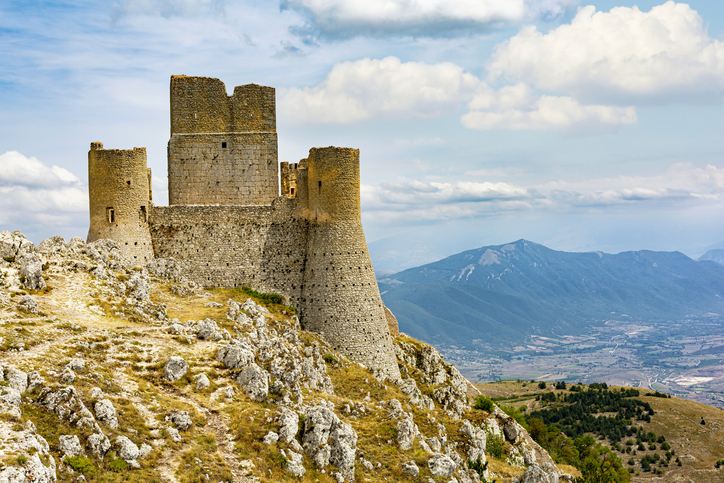
The Castle of Rocca Calascio. Image by Olga Mazyarkina via iStock

The Castle of Rocca Calascio, standing proudly in Italy’s Abruzzo region, embodies historical and architectural wonder. Its origin dates back to the late 10th century, initially serving as a watchtower. This castle isn’t just a structure; it’s a narrative in stone, chronicling the transitions from a military bastion to a residential quarter and ultimately to the captivating ruins that mesmerize visitors today.

Unlike the grandeur of many European castles, Rocca Calascio was primarily a military fortress. Its design is a rare specimen of medieval military architecture. It uses local stone and features a rugged, minimalistic style that underscores its original purpose. The layout, with a central tower or keep surrounded by defensive walls and cylindrical corner towers, is a strategic marvel of the medieval era.

Perhaps one of the most striking aspects of Rocca Calascio is its location. Perched at an altitude of 1,460 meters, it is among the highest fortresses in Italy. This elevated position offers not just strategic advantages but also stunning panoramic views. Overlooking the Gran Sasso d’Italia mountain range, the castle provides a vantage point that is both historically significant and visually breathtaking.

Rocca Calascio also enjoys a special place in cultural and cinematic history. Its scenic beauty has been a film backdrop, notably the 1985 movie “Ladyhawke.” This cinematic connection adds another layer to its appeal, drawing history enthusiasts and those fascinated by the arts and popular culture.

Despite the damage from an earthquake in the 1700s, Rocca Calascio has been preserved to a remarkable extent. This preservation, coupled with its accessibility to the public, allows for an immersive historical experience. The lack of modern developments in its vicinity adds to the authenticity of the experience, transporting visitors back in time.

The region surrounding the Castle of Rocca Calascio is rich in tourist attractions, offering a variety of experiences that cater to diverse interests, from natural wonders to historical sites.

One significant nearby attraction is the town of Santo Stefano di Sessanio. This medieval village, near Rocca Calascio, is known for its well-preserved architecture and historical ambience. The narrow cobblestone streets, ancient stone houses, and the quaint atmosphere of the village make it a delightful destination for those interested in experiencing Italian medieval life. Santo Stefano di Sessanio is also renowned for its artisanal crafts and local cuisine, providing an authentic taste of Abruzzo’s cultural heritage.

The Gran Sasso e Monti della Laga National Park is a must-visit for nature enthusiasts. It is one of Italy’s largest national parks, encompassing the majestic Gran Sasso mountain range. The park offers many activities, including hiking, mountain biking, and, in the winter, skiing. The diversity of landscapes within the park, from mountain peaks to lush forests, makes it a haven for wildlife and a beautiful destination for nature photography.

Another notable attraction is the Church of Santa Maria della Pietà, a small chapel near Rocca Calascio. This 17th-century church stands elevated, offering panoramic views of the surrounding landscape. Its unique octagonal structure and the legends associated with its origin add to its allure, making it a popular stop for visitors exploring the area.

L’Aquila is relatively nearby for those interested in exploring more of the region’s history. Although significantly affected by an earthquake in 2009, L’Aquila has been undergoing restoration and still offers a glimpse into the region’s rich historical and architectural past. The Basilica of San Bernardino, the Forte Spagnolo (a 16th-century fortress), and the Fountain of 99 Spouts are notable landmarks in L’Aquila.

Let’s create a 7-day itinerary around Rocca Calascio, including estimated costs, balancing historical visits, nature exploration, and cultural experiences. The prices can vary based on the choice of accommodation, dining preferences, and transportation methods.

Day 1: Arrival in L’Aquila – Start your journey in L’Aquila, the largest city near Rocca Calascio. Spend the day exploring the city’s historical centre and visiting landmarks like the Basilica of San Bernardino and the Forte Spagnolo. For accommodation, consider a mid-range hotel, with costs around €80-€120 per night. Dining in L’Aquila ranges from affordable trattorias to upscale restaurants, averaging €15-€30 per meal.

Day 2: L’Aquila to Santo Stefano di Sessanio – Travel to Santo Stefano di Sessanio, a beautiful medieval village. Spend the day wandering its cobblestone streets and enjoying local artisan shops. Accommodation in Santo Stefano di Sessanio is charming, with options like small bed and breakfasts, averaging €70-€100 per night.

Day 3: Exploring Rocca Calascio – Dedicate this day to visiting the Castle of Rocca Calascio. The area is perfect for hiking and photography. Plan for a modest entry fee if applicable, and budget for a picnic or a meal in a nearby restaurant. In the evening, return to your accommodation in Santo Stefano di Sessanio.

Day 4: Gran Sasso e Monti della Laga National Park – Explore the national park, engaging in activities like hiking or guided tours. Depending on the activities, set aside €20-€50. Return to Santo Stefano di Sessanio for the night.

Day 5: Church of Santa Maria della Pietà and Campo Imperatore – Visit the Church of Santa Maria della Pietà in the morning, then spend the afternoon at Campo Imperatore, a high mountain plateau known as “Little Tibet.

Day 6: Back to L’Aquila – Return to L’Aquila, exploring any missed sights. Consider a more relaxed day, enjoying the city’s cafes and local shops.

Day 7: Departure – Use this day to depart or visit a local museum or gallery if time allows.

It’s advisable to book accommodation in advance and consider travel insurance. This itinerary offers a balance of historical exploration, nature activities, and relaxation, providing a comprehensive experience of the region’s rich offerings.

Is that particularly icy cold in Iceland winter?

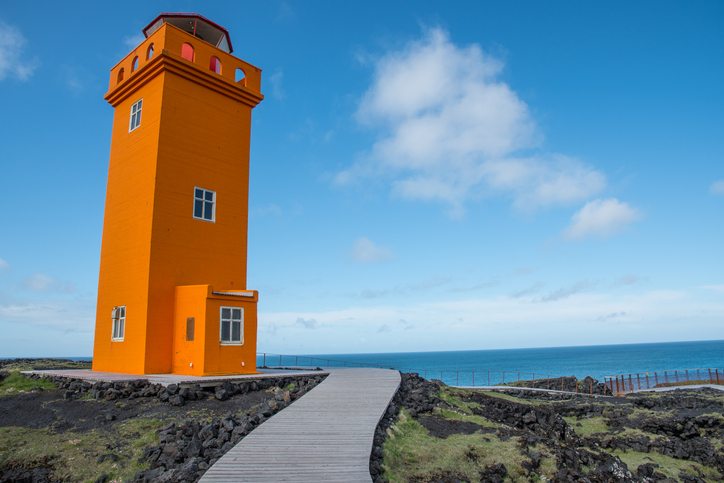
Lighthouse of Svortuloft in Snaefellsnes peninsula in Iceland

Iceland, known for its dramatic landscapes and unique geographical features, experiences a winter climate often perceived as harsh and extremely cold. However, the reality is somewhat different and more nuanced.

Iceland’s climate is primarily influenced by the North Atlantic Current, which brings relatively warmer waters from the Gulf Stream. This oceanic influence moderates the temperatures, especially along the coast, preventing them from plummeting to extreme lows common in other countries at similar latitudes. As a result, the average winter temperature in Reykjavik, Iceland’s capital, ranges from about -1°C to 4°C (30°F to 39°F). This is relatively mild considering its northern geographic location.

Nevertheless, the perception of extreme cold in Iceland during winter can be attributed to several factors. The country experiences very short daylight hours in winter, with the sun barely rising in some parts, leading to prolonged periods of darkness that can contribute to increased coldness. Additionally, the weather can be quite variable and unpredictable. Sudden changes in conditions, including snowstorms and strong winds, are not uncommon. These winds, often coming from the Arctic, can cause the temperatures to feel significantly colder than they actually are due to the wind chill factor.

Moreover, Iceland’s terrain, characterized by glaciers, ice caps, and vast open landscapes, can enhance the winter’s harshness. In areas away from the coast, temperatures can drop lower than in the coastal regions, and snow cover can be more persistent and extensive.

While Iceland’s winter is cold, it’s not exceptionally icy compared to other countries at similar latitudes. The influence of the Gulf Stream, variability in weather, and geographical diversity all contribute to a winter climate that is both challenging and fascinating, offering unique experiences like viewing the Northern Lights or exploring ice caves. The country’s winter weather is more about its distinctiveness and variability than extreme cold.

Svörtuloft Lighthouse

While most travellers would recognize Iceland’s iconic landmarks like the Blue Lagoon or the Gullfoss Waterfall, Svörtuloft Lighthouse, situated on the Snæfellsnes Peninsula in Iceland, does hold a certain level of fame and significance. Its fame and importance are more localized and specific to particular interests, particularly among enthusiasts of maritime history, lighthouses, and the unique geographies of Iceland.

Constructed in the early 20th century, the Svörtuloft Lighthouse is known for its striking appearance and the rugged, remote landscape that surrounds it. The lighthouse stands as a beacon on the westernmost tip of the Snæfellsnes Peninsula. It is renowned for its dramatic coastal cliffs, rich bird life, and the nearby Snæfellsjökull glacier and national park. The stark contrast of the lighthouse’s vibrant orange colour against the backdrop of the black basalt cliffs and the North Atlantic Ocean makes it a visually captivating subject for photographers and nature lovers.

The lighthouse is not just a navigational aid for ships; it’s also a symbol of the maritime heritage of Iceland, a country deeply connected to the sea. Lighthouses like Svörtuloft play a critical role in ensuring the safety of vessels navigating the often treacherous waters around the island. For visitors to the Snæfellsnes Peninsula, the journey to the lighthouse offers an opportunity to experience the raw, unspoiled beauty of Iceland’s natural landscape, a significant aspect of the country’s appeal to tourists.

While Svörtuloft Lighthouse may not be the first destination that comes to mind for many tourists visiting Iceland, it certainly holds a special place for those interested in the more off-the-beaten-path sights. It represents a quieter, more solitary aspect of Iceland’s allure, far from the bustling tourist centres. It offers a glimpse into the rugged and isolated beauty of much of the Icelandic coastline.

A 7-day itinerary near Svörtuloft Lighthouse

Creating a 7-day itinerary around the Svörtuloft Lighthouse area on the Snæfellsnes Peninsula allows for a comprehensive exploration of this diverse and stunning region of Iceland. The itinerary will include visits to natural wonders, charming villages, and significant cultural sites, ensuring a fulfilling experience of the unique Icelandic landscape and culture.

Day 1: Arrival and Exploring Grundarfjörður
Begin your journey by arriving in Reykjavik and driving to Grundarfjörður, a picturesque town known for its proximity to Kirkjufell, one of Iceland’s most photographed mountains. Spend your day exploring the village and visiting Kirkjufell and the nearby Kirkjufellsfoss waterfall. This area offers breathtaking views and is an excellent introduction to Iceland’s natural beauty.

Day 2: Exploring Snæfellsjökull National Park
Dedicate your second day to exploring Snæfellsjökull National Park. Start with a guided glacier hike on Snæfellsjökull glacier, where you can experience the ice cap and learn about its geological significance. In the afternoon, visit the Vatnshellir Cave for a unique underground adventure in a lava tube.

Day 3: Arnarstapi, Hellnar, and Djúpalónssandur Beach
Travel to the coastal villages of Arnarstapi and Hellnar. Enjoy the scenic walk along the coast connecting these villages, admiring the birdlife and rock formations. After lunch, head to Djúpalónssandur beach to witness its dramatic black pebbles and historical shipwreck remains.

Day 4: Londrangar Cliffs and Snæfellsnes Peninsula Exploration
Visit the Londrangar basalt cliffs for their stunning natural architecture and birdwatching opportunities. Spend the rest of the day exploring other parts of the Snæfellsnes Peninsula, including the charming fishing villages and their cultural attractions.

Day 5: Stykkishólmur and Ferry to Flatey Island
Drive to the town of Stykkishólmur. Explore its historic buildings and local museum, then take a ferry to Flatey Island. Spend the day on this serene island, known for its quaint village, birdlife, and walking trails.

Day 6: Svörtuloft Lighthouse and Surrounding Area
Devote this day to visiting Svörtuloft Lighthouse. Enjoy the scenic drive and photograph the lighthouse and its rugged surroundings. Explore nearby hiking trails or relax by the cliffs, observing the ocean and wildlife.

Day 7: Return to Reykjavik
On your final day, make your way back to Reykjavik. If time allows, stop at other points of interest you may have missed on your way to the peninsula. Once in Reykjavik, you can explore the city’s landmarks, such as Hallgrimskirkja church, Harpa Concert Hall, and the old harbour.

This itinerary offers a blend of natural exploration, cultural immersion, and relaxation, allowing you to experience the diverse offerings of the Snæfellsnes Peninsula and its surrounding areas. Each day brings a new aspect of Iceland’s beauty, from its dramatic landscapes and wildlife to its rich history and charming local life.

The average cost of a 7-day itinerary around the Svörtuloft Lighthouse and the Snæfellsnes Peninsula in Iceland requires considering various factors, including accommodation, transportation, food, activities, and additional expenses. Prices in Iceland can be relatively high compared to other destinations, primarily due to its remote location and high living standards.

Accommodation: The accommodation cost will vary based on the type of lodging chosen. Budget options like guesthouses or hostels can cost around $60 to $100 per night, while mid-range hotels might range from $150 to $250 per night. Luxury accommodations can exceed $300 per night. For a 7-day trip, assuming a mid-range budget, you might spend approximately $1,050 to $1,750 on accommodation.

Transportation: Renting a car is the most convenient way to explore the Snæfellsnes Peninsula. A rental car can cost between $70 to $120 per day, depending on the type of vehicle and the time of year. For a week, this could total $490 to $840. Fuel costs and any additional car insurance should also be considered. Ferry trips to places like Flatey Island will cost roughly around $30 to $50 per person.

Food and Dining: Dining in Iceland can be pricey, with casual dining costing around $20 to $30 per meal and fine dining easily exceeding $50. Assuming three meals a day at an average of $30 per meal, the daily food cost could be around $90, totalling about $630 weekly.

Activities and Entrance Fees: Guided tours, such as glacier hikes and cave explorations, can range from $50 to $150 per person. Entrance fees to certain attractions and museums might add up to $10 to $30 daily. Allocating around $300 to $500 for the week for various activities would be reasonable.

Miscellaneous Expenses: Additional costs include souvenirs, snacks, and unexpected expenses. Setting aside around $100 to $200 for the week is advisable.

A mid-range budget for a 7-day trip to the Snæfellsnes Peninsula, including the Svörtuloft Lighthouse area, could range from approximately $2,570 to $3,920, excluding international airfare. It’s important to note that these are average estimates, and actual costs can vary based on personal preferences, travel style, and seasonal variations. Travellers are encouraged to plan and budget according to their needs and book accommodations and activities in advance, as prices can rise during peak tourist seasons.

A One-Week Itinerary Plan for Dubrovnik, Croatia.

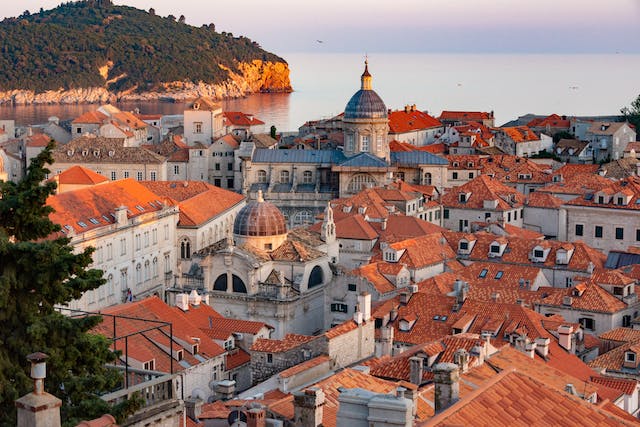
Photo by Diego F. Parra: https://www.pexels.com/photo/aerial-view-of-dubrovnik-and-the-sea-at-sunset-16907809/

Dubrovnik is a stunning coastal city in Croatia known for its historical significance and breathtaking scenery. Here is a one-week itinerary plan for Dubrovnik:

Day 1: Arrival and Old Town Exploration

Upon your arrival in Dubrovnik, take the day to settle into your accommodation and start exploring the Old Town, a UNESCO World Heritage site. Begin with a walk along the Stradun, the main thoroughfare, to get a feel for the city’s vibrant atmosphere. Visit Onofrio’s Fountain and the Franciscan Monastery, which houses one of the oldest pharmacies in Europe. In the evening, dine at one of the local restaurants to sample Croatian cuisine.

Day 2: City Walls and Fort Lovrijenac

Dedicate your second day to walking the famed Dubrovnik City Walls for panoramic views of the Old Town and the Adriatic Sea. These walls symbolise the city’s strength and are remarkably well-preserved. Later, visit Fort Lovrijenac, often called “Dubrovnik’s Gibraltar”, for its historical importance and dramatic location atop a cliff.

Day 3: Cable Car Ride and Mount Srđ

Take the cable car up to Mount Srđ for a breathtaking view of Dubrovnik and its surroundings. Here, you can visit the Homeland War Museum to learn about the region’s recent history. Spend the afternoon hiking around the area, or enjoy the scenery and picnic.

Day 4: Island of Lokrum

Reserve day four for a trip to the Island of Lokrum. Just a short ferry ride from Dubrovnik, Lokrum offers botanical gardens, a monastery, and the Dead Sea, a small salt-filled lake. It’s an excellent spot for swimming and relaxation. Make sure to stay until evening to witness the stunning sunset.

Day 5: Cultural Day

Spend your fifth day immersing yourself in Dubrovnik’s culture. Visit the Rector’s Palace, the Sponza Palace, and the Dubrovnik Cathedral to appreciate the city’s architecture and art. In the evening, check if any performances or concerts are taking place—Dubrovnik has a vibrant cultural scene.

Day 6: Day Trip to Pelješac Peninsula

On the sixth day, consider a day trip to the Pelješac Peninsula. It’s known for its wine production, so wine tasting is essential. You can also explore the small towns of Ston and Mali Ston, famous for their salt pans and the world’s second-longest preserved fortification system after the Great Wall of China.

Day 7: Relaxation and Departure Preparations

Use your last day in Dubrovnik to relax. Revisit any spots you particularly enjoyed or explore any areas you may have missed. Take a leisurely swim at Banje Beach or a quiet walk in one of the city’s gardens. End your trip with a special dinner in one of Dubrovnik’s finest restaurants, reflecting on the past week’s experiences.

Each day ends with a suggestion for dining, as trying local foods is integral to the travel experience. This itinerary balances historical exploration, cultural immersion, scenic enjoyment, and relaxation to ensure a memorable stay in Dubrovnik.

The average cost for the above itinerary plan:

Estimating the average cost of a one-week itinerary in Dubrovnik involves considering several factors, including accommodation, meals, transportation, entrance fees to attractions, and any extra activities such as day trips. The costs can vary greatly depending on the level of luxury, season, and personal spending habits. Below is a rough estimate based on moderate comfort:

Accommodation: Prices for mid-range hotels or private accommodations like Airbnb can range from €80 to €150 per night, depending on the proximity to the Old Town and the time of year. This would amount to approximately €560 to €1,050 for a week.

Meals: An average daily cost includes a budget for dining out in local restaurants, which might cost between €30 and €50 per person, which would total €210 to €350 for the week.

Transportation: A one-week public transportation pass in Dubrovnik costs around €30. However, most attractions within the Old Town are within walking distance. Additional costs may include airport transfers and ferry rides to places like Lokrum Island, which could add up to around €50 per week.

Attractions: The Dubrovnik City Walls walk is about €30, while entrance fees to museums and historical sites usually range from €10 to €20. The cable car to Mount Srđ is approximately €20 for a round trip. Summing up the attractions, including the day trip to Lokrum and any miscellaneous entrance fees, you might spend around €150 for the week.

Day Trips: A trip to the Pelješac Peninsula might cost around €50 to €100 per person if you join a guided tour, which often includes transportation and wine tasting.

Miscellaneous: Always budget for additional expenses such as souvenirs, extra activities, or unplanned transportation, which could be around €100 to €200 for the week.

Adding all these components, the average cost for a one-week stay in Dubrovnik on a moderate budget could range from approximately €1,100 to €1,850 per person. This variable estimate could be lower if more budget-friendly options are chosen or significantly higher if opting for luxury accommodations, fine dining, or private tours. Remember that prices can fluctuate based on seasonality, with the summer typically being the most expensive due to the peak tourist season. It’s also wise to factor in a contingency of around 10-15% of the total budget for unexpected expenses.

Next, you might want to consider what season you should visit Dubrovnik.

Dubrovnik, often referred to as the “Pearl of the Adriatic”, offers a distinct experience with each season, and your preference for weather and crowd sizes will significantly influence the ideal time for your visit​1​.

In the spring, particularly in April, the city starts to warm up, with the average air temperature around 14.5°C (59°F), which is relatively mild but with the chance of some rainy days. Spring in Dubrovnik is less crowded than summer, providing a peaceful atmosphere for enjoying the blooming landscapes and comfortably exploring the city’s rich heritage​2​.

The summer months, from June to August, are the most popular and also the warmest, with temperatures ranging from 22.6°C (73°F) to 30°C (86°F) and the sea temperature being warm enough for swimming. Summer in Dubrovnik is vibrant and full of life. She offers the longest days, perfect for beach activities, boat trips, and exploring the city’s outdoor attractions. However, this is also when Dubrovnik is most crowded, which is something to consider if you prefer a more tranquil setting​3​​4​.

Autumn, particularly September and early October, still offers warm temperatures and the advantage of fewer tourists. This season is ideal for those looking to enjoy the outdoors without the scorching summer sun’s heat, like hiking to Mt. Srd for a panoramic view of the city​5​​6​.

Winter in Dubrovnik presents a milder and quieter side of the city, with temperatures ranging from 7°C to 12°C. It’s a time when you can enjoy the city’s charm without the crowds, sit in cafes, and participate in local festivities, such as the Dubrovnik Winter Festival. The prices are generally lower, and the experience is considered by some to be more authentic compared to the tourist-heavy summer​7​​8​.

Ultimately, each season in Dubrovnik has a unique appeal, from the warm summer beaches to the serene winter. Your decision on when to visit may hinge on whether you prefer a bustling city under the summer sun or a tranquil historic exploration during the cooler months.

When your professor invites you to dinner

When your professor invites you to dinner, bringing a gift is not a strict requirement. Still, showing your appreciation and gratitude can be a thoughtful gesture. A small gift, like a box of chocolates, a bouquet of flowers, or a thank-you card, can be a nice way to express your thanks for the dinner invitation and the time they spend with you.

Photo by Burak The Weekender: https://www.pexels.com/photo/close-up-photo-of-formal-table-setting-735869/

It’s essential to be mindful of proper etiquette. First and foremost, respond to the invitation promptly, indicating whether you’ll be attending or not. On the day of the dinner, make an effort to be punctual; arriving on time shows respect for your host’s schedule and efforts in organizing the event.

Dress appropriately for the occasion and setting. Suppose you’re uncertain about the dress code. In that case, it’s better to be slightly overdressed than underdressed, demonstrating that you value the occasion. When you meet your professor, greet them warmly with a smile and an appropriate handshake or greeting, depending on your relationship.

During the dinner, practice good table manners. Use utensils properly, chew your mouth closed, and converse politely. Avoid controversial or sensitive topics unless your professor initiates such discussions. Be attentive to your host and other guests, actively participating in the conversation and showing genuine interest in what they say.

Respect your professor’s hospitality by not constantly checking your phone or using other electronic devices during the meal. Instead, be present and fully engaged in the dining experience. If your professor is hosting the dinner at their home, offer to help clear the table or do the dishes afterwards.

As the evening ends, express your gratitude for the dinner and their invitation. A simple thank-you note or email sent afterwards can go a long way in showing your appreciation for their hospitality and time.

Lastly, it’s essential to avoid overindulging during the meal. While it’s okay to enjoy the food and drinks, pace yourself appropriately and avoid excesses that might make you uncomfortable or appear impolite.

Displaying proper etiquette when invited to dinner by your professor involves being respectful, considerate, and appreciative. Adhering to these guidelines can create a positive impression and strengthen your professional relationship with your professor.

The expectation to reciprocate by buying your professor a meal in return for them buying you one is not a strict requirement or an obligation. The relationship between a student and a professor is typically not based on a quid pro quo of meals or gifts.

When a professor invites a student to a meal, it is often an act of kindness or a gesture of mentorship, and they may not expect anything in return. Professors understand that students might not have the financial means to reciprocate in the same way, and that is generally not the purpose behind the invitation.

However, if you wish to show appreciation for their kindness, you can find other ways to express gratitude. Writing a heartfelt thank-you note, expressing your appreciation in person, or being an engaged and dedicated student in their class are meaningful ways to show that you value their mentorship.

Ultimately, the key is to foster a respectful and professional relationship with your professor based on mutual respect and academic growth. While offering them a meal is not required, building a positive rapport through hard work, attentiveness, and appreciation will be greatly appreciated.

Food that puts you in a good mood

When many people feel depressed or unhappy, they will relieve it by eating. Because delicious food stimulates dopamine release, people feel euphoric. After a full meal, blood sugar levels can rise, and they feel psychologically satisfied and happy. In particular, the following foods can relax the mood and stabilise the nerves.

Walnuts and peanuts – Walnuts contain pantothenic acid, hydrochloric acid and polyunsaturated fatty acids. Those can maintain blood vessel health, benefit nerve conduction, and promote serotonin secretion. Serotonin is a neurotransmitter. Decreased serotonin levels in the body can lead to depression and mood disorders, so take a small handful every day. Peanuts are also a good choice. In addition to pantothenic acid and niacin, they are also rich in vitamin B6.

Green leafy vegetables – Green leafy vegetables are rich in niacin and folic acid, especially asparagus. These are water-soluble nutrients, so try to cook them by frying or steaming them over high heat. Do not cook them at high temperatures. Otherwise, the nutrients will be lost.

Chicken – Vitamin B6 and niacin make people happy, and chicken contains exactly these nutrients. It is also rich in calcium, iron, phosphorus and B vitamins, beneficial for tonic. Chicken is a low-fat, high-protein food, especially suitable for dieters. It is better to peel the skin before eating. Also, try to avoid frying.

Milk – Milk is rich in calcium and phosphorus and contains vitamin B12, which can maintain a healthy nervous system. However, milk should not be heated for a long time to avoid the loss of nutrients and the inability to exert its effect.

Oatmeal – Vitamin B6 contained in oatmeal can relax emotions, relieve destructive emotions, and promote the conversion of tryptophan into niacin, which can help ease fatigue and stabilise emotions. The pantothenic acid found in oatmeal reduces fatigue and relieves fight stress. Oatmeal and milk can be eaten together at ordinary times. Which not only complements nutrition but also makes people happier. Besides lowering cholesterol, oatmeal also contains neurotransmitters that help synthesise happiness hormones and feelings of love. A bowl of cereal for breakfast helps you start the day in a good mood.

Soybeans – Soybeans are rich in plant-based protein, which can help us think clearly and energetically, and are also an essential ingredient for synthesising the happy hormone serotonin. Before going to work, have a cup of soy milk to make you comfortable and relaxed!

Spinach – Insufficient folic acid in the body will make you feel depressed, so you should eat more foods with sufficient folic acid. For example, Spinach is one of the highest folic acid content. It will help you to think positively.

Black sesame – Black sesame is rich in calcium. It also contains many nutrients that synthesise norepinephrine, an excellent food to help positive emotions.

Sunflower seeds – rich in vitamin E, and the antioxidant power of vitamin E can protect brain cells. The rich nutrients in sunflower seeds help make us less anxious and happier.

Salmon – Salmon is rich in mood-boosting tryptophan, brain-friendly Omega-3 fatty acids, vascular scavenger EPA, DHA for cognitive health, and depression-reducing vitamins B12 and B6.

Dark chocolate – In addition to providing calorie supplements and relieving menstrual pain during menstruation, dark chocolate can also improve mood. Dark chocolate contains something called N-fatty acylamino, which stimulates our endorphin secretion.

Cherry tomato – The skin of tomatoes is rich in lycopene, which has anti-inflammatory and anti-depressive properties.

Honey – Honey is a very healthy food, much better than sugar. If you suffer from depression, you should include honey in your daily diet. Because honey contains kaempferol and quercetin, which help treat depression and help reduce inflammation in the brain. Plus, the sweetness of honey can also help boost your mood in no time!

Green tea – Green tea is a very healthy drink that is very popular with the younger generation. If you feel stressed, then brewing a cup of green tea is the best thing for you. Green tea leaves contain theanine, an antioxidant that has relaxing properties. And green tea will make you enjoy fresher breath and help prevent tooth decay. So drink a cup of green tea and let yourself have a good mood and healthy teeth!

How to Grow Astilbe in Your Gardens

One of the most dramatic flowers as a backdrop to any garden or yard is the astilbe. You may or may not have heard of this plant, but surely you have seen it near the edge of a forest or somewhere else. At first glance, you might think it is beebalm or a butterfly bush, but the pyramidal conic shape should give this plant away. There are varieties of this that some call the false spirea or the false goat’s beard.

Should you choose to grow this tall growing plant, one thing, you should know it that astilbe comes in a few colours. The four most common colours are red, white, hot pink, and lavender purple. There are other variations, but unless you are purchasing one that is bloomed, you may not want to trust the picture that comes with the plant being sold to you. Often this a ploy to sell the most common colours since they are the most cultivated in North America. You can also order or buy the seeds and start them indoors.

Astilbe does well in fertile, loose soil. If you are starting from seed, you may want to use either Scott’s or Miracle Grow’s seed starting soil. Adding extra peat moss will help in starting the seeds. A trick in starting most seedlings is to soak them overnight, preferably 24 hours, before placing in the soil. Whether you start the seeds indoors or outside do not plant them any deeper than 1/4 of an inch into the dirt, using root stimulator sparingly will also get a jump on germination time.

When the seedlings are about an inch to two inches tall, you will need to separate them so that you are not overcrowding them. At this point, you can plant them the recommended distance apart from each other, which usually is within 16 to 30 inches of each other. The variety you are planting makes much difference in spacing. Astilbe can take off quite well as it is also a shade loving plant. Under full sun, it may be slightly stunted in growth. Most gardeners either plant astilbe in partial shade to whole shaded areas.

As mentioned earlier, astilbe makes a beautiful backdrop to a garden or yard. Say you have those prickly and bothersome holly bushes that you are so tired of trimming or trying to walk around. Don’t trash them. Offer them to someone, and let them dig them up. The foliage on astilbe is just as spectacular as the flower. After your bushes are gone, go in and cultivate the soil with extra peat moss, and to be extra sprinkle on some garden food and mix it in with the earth. Plant your astilbe, and soon you shall have a captivating yard.

Flower gardens are enunciated as these astilbes grow in behind them. Many people mix varying plants with astilbe. A stairstep effect with different style growing plants can take one’s breath away. An example of this would be having alyssum as the front border and hosta in between the two. Sure the leaves grow out differently, but they are not all stalky plants like the astilbe. Astilbes will re-seed themselves and grow back year after year.

You will notice over a few years that you will need to either cut out some astilbes or replant the extras elsewhere. Selling the extra would pay for the water you use in keeping the soil moist for them. They do like their moisture. Try to keep them out of the direct hot sun. You might try your hand at making a canopy that you can slide out over them if you planted them in direct sun.

Astilbe is a fast-growing plant that can take over like alyssum. You need to become familiar with what the seedlings look like so that you don’t end up with your forest. Then again, you may be the type to welcome them into your new garden. Should you master the art of raising astilbe, you will find that you can have them bloom into the fall season. Early spring is the best time to clear away the dead or dying parts of the plant.

The gardens you grow will come to life with astilbe as a background drop to them. You may just want to grow astilbe after you see how well it becomes from your tender care. A misting system is not required for these plants, but a soaker hose is something they would greatly appreciate. Have fun with these beautiful fast-growing plants. Astilbe will also bring in the butterflies and hummingbirds.

Make Your Garden Shine This Summer

Summer Gardening Tips In the summertime, everything seems to grow at an unbelievable rate. Grass, flowers, and weeds that are left unchecked will quickly have your garden looking more like a wildlife habitat than a picturesque landscape. However, if you are willing to take the time and following these few easy tips, your garden and lawn will look as beautiful during midsummer as it did in the spring.

1. Watering is perhaps the most crucial aspect of summer gardening. Unlike the spring, rain is not frequent and without it plants will soon shrivel up and die. The best advice for keeping your plants healthy is to water early in the morning two to three times a week. When doing this, make sure to let the plants soak for an extended period and get a great deal of water. By only watering two times a week, you will be promoting more profound root growth and discouraging germination of undesirable weeds.

2. As the seasons progress from spring to summer, your plants are naturally going to grow bigger. If left unattended, many taller species will sag under their weight and give a garden a confused and dishevelled look. It is simple to prevent this by placing a stick next to the stem in the direction it is leaning to provide support. If you are concerned with appearance, decorative stakes are available at any gardening centre.

3. Maintaining your summer garden can seem like a daunting task, especially if you have let it deteriorate. By setting aside an hour or two a day, you can prevent summer maladies from becoming too significant and generally keep your garden in excellent condition.

4. While your garden may be blossoming, you must not forget that weeds are doing the same thing. Although it is probably the most hated of all gardening tasks, weeding is essential to the health of your garden.

5. Insects are always a potential threat to your garden. Although many bugs will not harm your plants, many, like aphids and whiteflies, will quickly destroy your garden if left to their own devices. There are several products available at nurseries that can help to solve the problem. In addition to these products, it is a good idea to introduce insects like ladybugs that naturally control harmful insect populations.

6. One of the most important aspects of keeping your plants healthy is having quality mulch. Mulch serves three purposes that help keep your garden healthy. The first is that mulch provides a natural barrier between the hot summer sun and your sensitive plants’ roots. Secondly, mulch absorbs and prevents moisture from evaporating, thus providing more water for your plants. Lastly, organic mulches break down and provide much-needed nutrients to surrounding plant life.

By following these tips, you can rest assured that your garden will continue to thrive through the most challenging summer months. Summer is a time of year that your yard requires an enormous amount of work, but if you put the time and effort in, you will be able to sit back and enjoy the fruits of labour.